

Swedana (Sudation Therapy) in Children: When Can It Be Helpful? Dr Riya
- Dr Riya
- Jul 30
- 2 min read
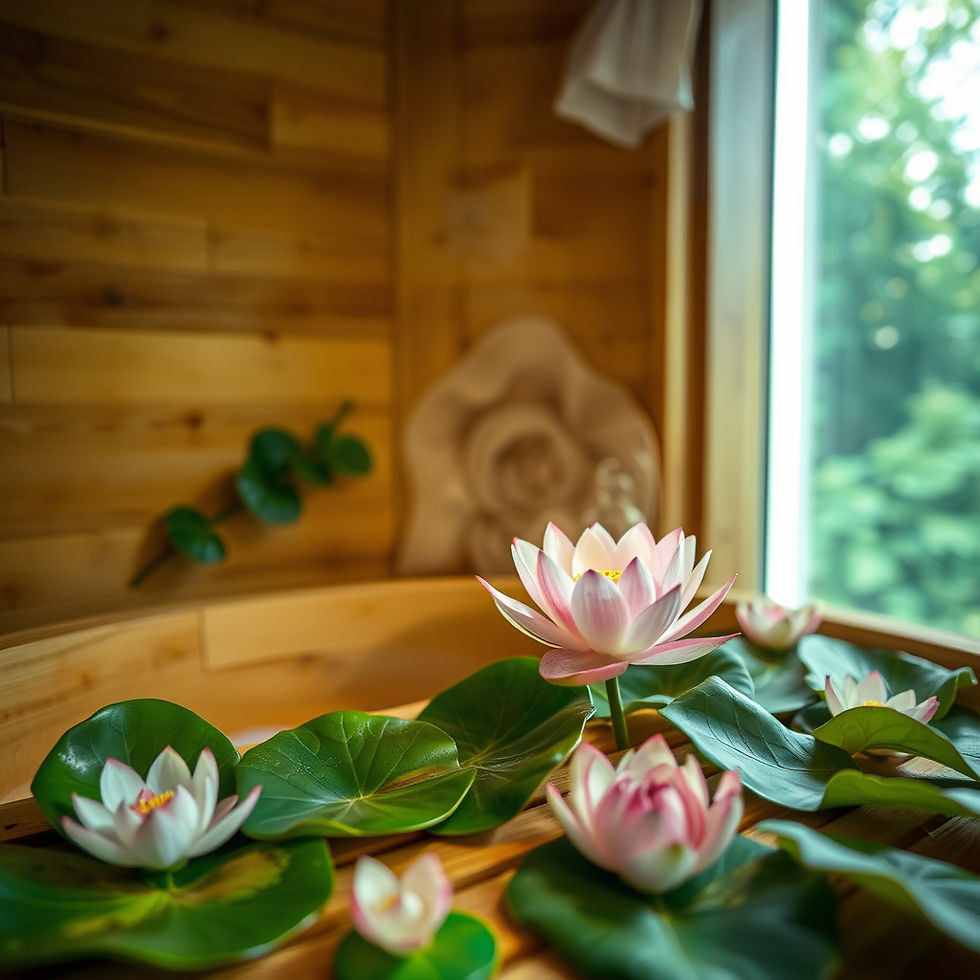
Swedana (sudation or therapeutic fomentation) is one of the important procedures described in Ayurveda to relieve stiffness, pain, and obstruction in the body. In Kaumarbhritya (Ayurvedic Pediatrics), Swedana is performed very gently and cautiously, keeping in mind that a child's skin, tissues, and thermoregulatory mechanisms are much more delicate than those of adults.
It should never be performed without the advice of a qualified Ayurvedic physician.
When is Swedana Useful in Children?
When appropriately indicated, mild Swedana may help in conditions associated with Vata and Kapha predominance, such as:
Neck stiffness
Heaviness of the limbs
General body aches
Muscle stiffness
Mild back discomfort
Joint stiffness
Cough with Kapha dominance
Certain respiratory conditions with congestion
Abdominal bloating (Anaha)
Constipation associated with Vata
Muscle spasms or cramps
Tremors caused by Vata disorders
Facial muscle stiffness (selected cases)
Mild neurological conditions requiring supportive Panchakarma under expert supervision
Every child requires an individualized assessment before Swedana is planned.
Pediatric Considerations
Unlike adults, children require:
Mild warmth instead of intense heat
Short duration of therapy
Continuous observation during the procedure
Protection of sensitive organs such as the eyes, heart region, and genital area
Immediate discontinuation if discomfort develops
Signs to Stop Swedana
According to Ayurvedic principles, Swedana should be stopped when:
The body feels pleasantly light (Laghuta)
Stiffness reduces
Pain subsides
Sweating is adequate
The child becomes comfortable
Avoid excessive sweating, as it may lead to dehydration and fatigue.
Conditions Where Swedana Should Be Avoided
Swedana is generally avoided in children with:
High fever
Severe dehydration
Acute bleeding disorders
Burns or skin injuries
Extreme weakness
Heat intolerance
Certain acute inflammatory illnesses
The suitability of Swedana depends on the child's age, strength (Bala), Dosha predominance, disease stage, and overall health.
Charaka Samhita Reference
Charaka Samhita describes Swedana as a therapy that helps relieve stiffness (Stambha), heaviness (Gaurava), coldness (Sheeta), and obstruction, while supporting the movement of aggravated Vata and Kapha. These classical principles guide its careful application in appropriate pediatric conditions.
Final Thoughts
Swedana can be a valuable supportive Ayurvedic therapy for children when performed with gentle techniques, proper indications, and expert supervision. Because children are physiologically more sensitive than adults, safety and individualized treatment are essential.


Comments